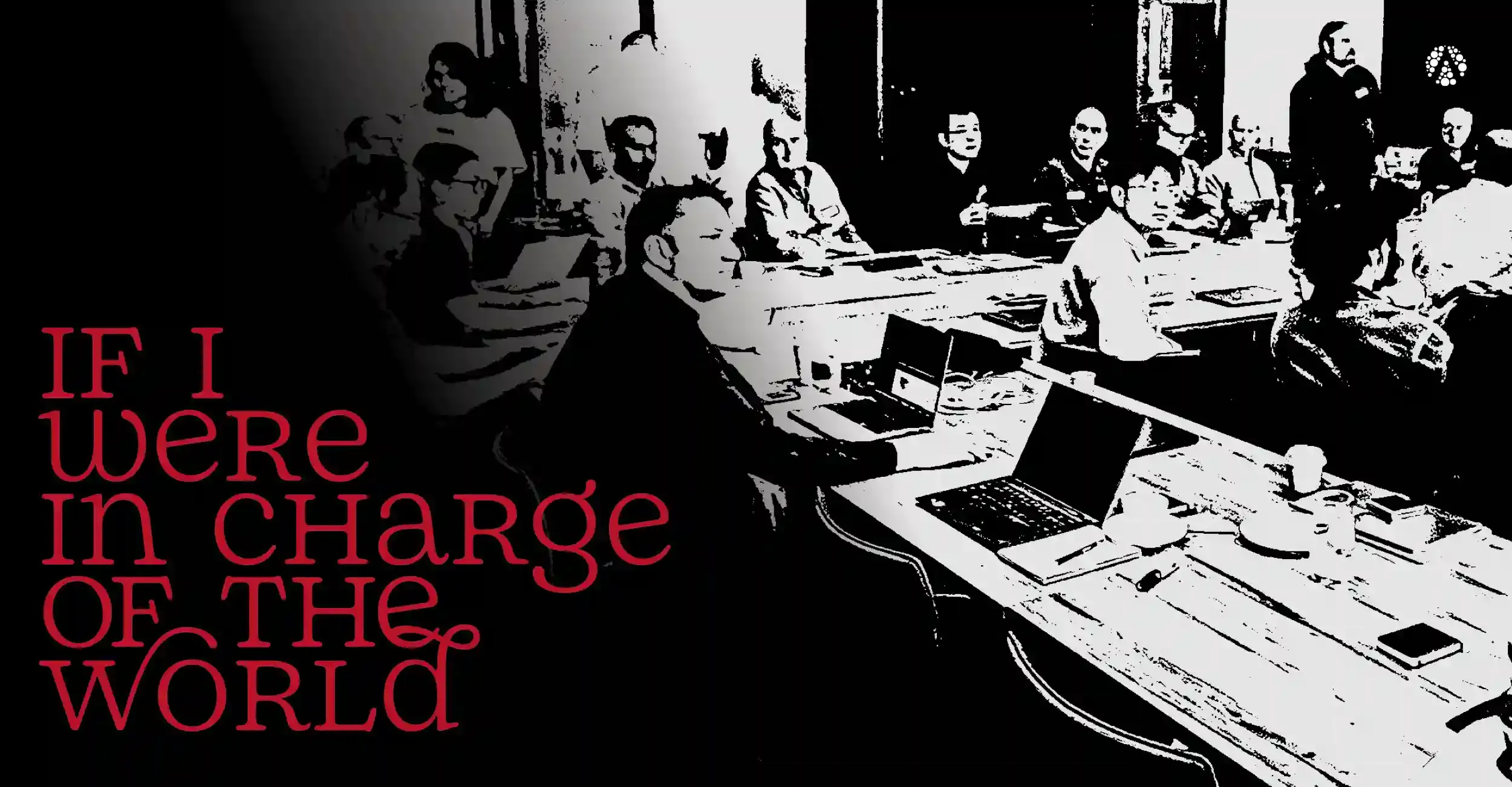


If I Were in Charge of the World, and Other Worries1: Mediaflux for Research Data Managers and Their Users
As our first Australian-based Mediaflux user group kicked off with apologies to Judith Viorst (Jared Winton’s Research Computing and the Terrible, Horrible, No-Good, Very Bad Migration), it seems apt to pick up this thread for a semi-poetic recap2.
If I were in charge of the world, I'd cancel trying to solve huge complex problems in isolation. People would come together, be liberally plied with coffee and food, have time for casual intros sprinkled with humour, and settle in with a slow start. We at Arcitecta recognise that building relationships takes time, which is why we’ve stayed deeply engaged with the research community for over 20 years.
After gaining deep Mediaflux insights from the experienced University of Melbourne RCS, the University of NSW team shared their strategic approach and roadmap for the research data experience rolling out across their institution. Rizwan Sathakkathulla and Tom Honeyman drove an engaging conversation, supported by Fiona Tweedie and Jake Surman, that could have barrelled along the rest of the day if there weren’t so many other topics to touch on! This segued into an eye-opening presentation from Arcitecta CTO Jason Lohrey and long-time Australian research data community leader Rhys Francis sharing data reporting insights gleaned through three years of collaborative development with Ai-Lin Soo and Leslie Almberg.
If I were in charge of the world, there’d be no more feeling stupid for asking questions. There were no stupid questions. All questions were welcomed through multiple vectors (online, sticky notes on tables, whiteboards around the room, open small- and whole-group discussion all day, etc.) to drive dynamic discussions. Enabling everyone to participate and continuing to build on some points asynchronously is important for fostering community.
We didn’t get to explore everyone’s contributions on the day, but they were collated, circulated and are already driving material outcomes. The wide range of interests encapsulated within the deceptively straightforward catchall ‘research data management’ is reflected in the topics suggested, from the hyper-specific (reading GPFS changelogs, deduplication with asset content references, data migration from DMF tapes with checksums added to files) to the broadly philosophical (sentencing data, data management challenges, data sovereignty) and wildly cyberpunk (data wants to be free and used!).
The developer team lightning round of hot-off-the-press and in-development Mediaflux capabilities delighted and enlightened — even Jason learned something new! Demonstrations of Mediaflux’s powerful geospatial and time-series tools, AI-enabled workflows, newly implemented NSFv4 protocol, and aterm shortcuts were welcome contributions. We hope the day proved an excellent opportunity for learning and professional development for all.
If I were in charge of the world, we would follow threads after the event. A super-charged day skates by very quickly. Some people slipped in late, others needed to leave early. A few folks couldn’t be in the room at all. Sometimes burning questions only pop into mind at 3 a.m. two nights later. So, we ended the day with an invitation to a beginning.
If I were in charge of the world, everyone could (re-)watch presentations in their own time, invite others to the conversation, and do this all again in the future. So, that’s the plan. Developer demos on Mediaflux tools and hints and tricks are available upon request — you’ll get a taste of how our DAMS works from the outside if you do! We’ll start collating names of those interested in joining a workshop at eResearch in Brisbane next October and possibly an online touchpoint mid-2027.
For a day, I was in charge of (one very tiny corner of) the RDM world and after a great many worries, felt on top of it. Gathering a quorum of Australian research data managers and afficionados was the culmination of a long journey of establishing and fostering relationships. The engaging conversations, relaxed collegial vibes (even when the building was suddenly without water), and difficulty chasing everyone out of the room at the end of the day, hint that even a person who is brand new, started with nary a clue, and can’t program a single line of code, could still be allowed to be in charge of the world.
We look forward to staying in touch, hearing your feedback and connecting with others who want to join the community.
-
Viorst, J. (1981) If I Were in Charge of the World and Other Worries: Poems for Children and Their Parents. Illustrated by L. Cherry. New York: Atheneum.

Dr Leslie D. Almberg, Arcitecta Research Interface.